
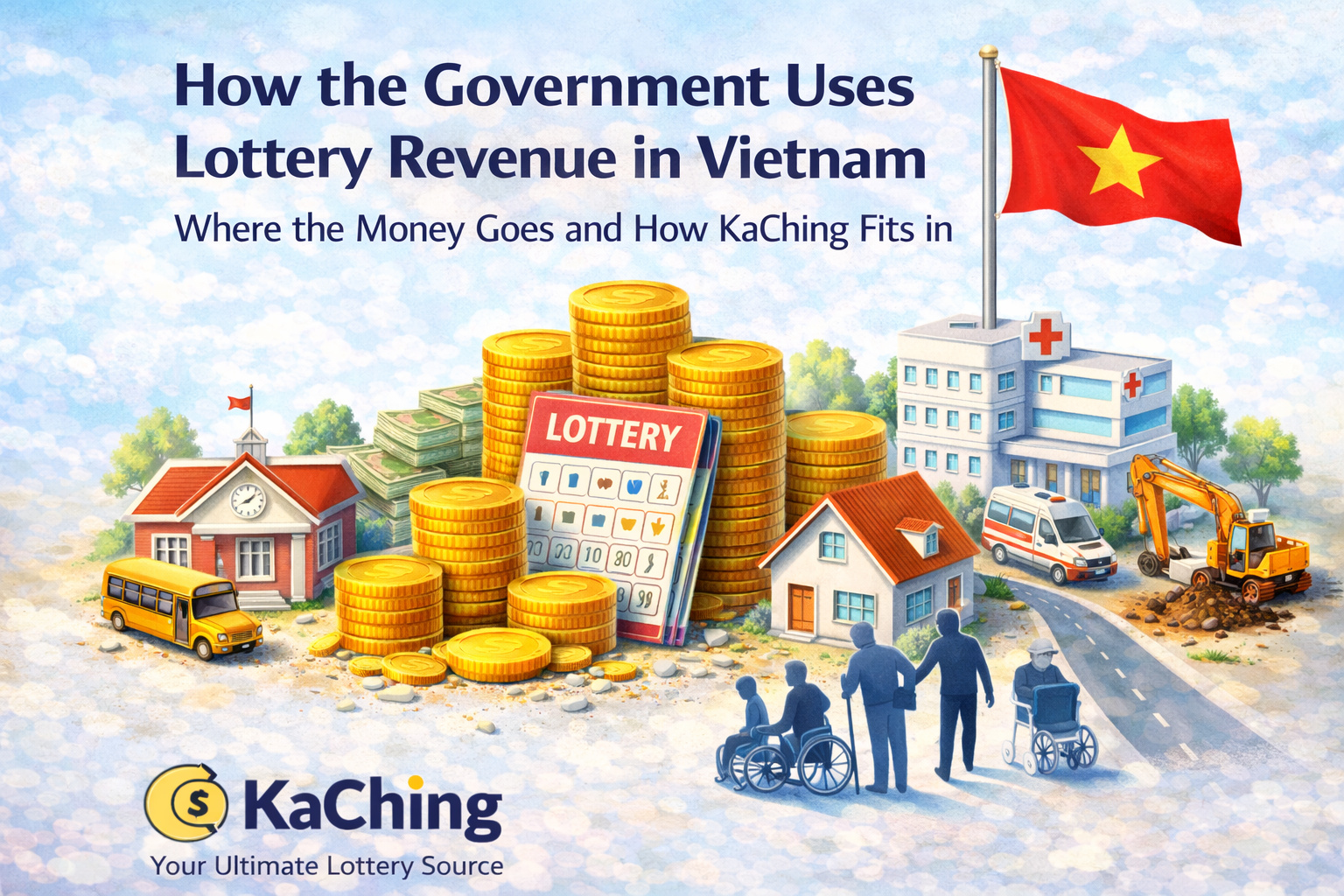
Every week, millions of Vietnamese buy lottery tickets with hopes of a life-changing win. But even when no one hits the jackpot, the money doesn’t disappear. In Vietnam, lottery revenue plays a quiet but important role in public finance, helping fund everything from hospitals to schools and social welfare programs.
Behind the numbers and winning combinations is a state-managed system designed to turn small individual bets into large collective benefits.
Vietnam’s Lottery System: More Than Just a Game
Vietnam’s official lottery operations are overseen by Vietlott and regional state lottery companies operating under government supervision. Unlike private gambling platforms in other countries, Vietnam’s lottery system is fully regulated and state-owned, meaning profits are not paid to shareholders.
Instead, after prize payouts and operating costs, remaining revenue is transferred directly to the government budget.
This structure makes the lottery a public finance tool, not just entertainment.

Where Lottery Money Goes After the Draw
Once lottery revenue enters the state budget, it is allocated across several priority areas:
1. Healthcare and Hospitals
A significant portion of lottery funds is used to:
- build and upgrade public hospitals
- purchase medical equipment
- improve healthcare access in rural provinces
In many localities, lottery revenue has helped modernize district hospitals that otherwise lacked funding.
2. Education and Schools
Lottery income supports:
- construction of classrooms and dormitories
- renovation of unsafe school buildings
- education projects in remote and mountainous areas
For provinces with limited tax income, lottery proceeds are often a key funding source for education infrastructure.
3. Infrastructure and Public Works
Funds are also directed toward:
- local roads and bridges
- drainage and flood-prevention systems
- clean water and sanitation projects
These investments are especially visible at the provincial and municipal levels.
4. Social Welfare and Poverty Reduction
Lottery revenue contributes to:
- housing support for low-income families
- disaster relief and recovery programs
- assistance for people with disabilities and war veterans
In this way, everyday lottery ticket buyers indirectly support social protection programs.
Why Vietnam Relies on Lottery Revenue
Vietnam’s government views the lottery as a supplementary revenue stream, not a replacement for taxes. It offers three advantages:
- voluntary participation (no compulsory tax burden)
- predictable cash flow from regular draws
- broad participation across income groups
Because of this, lottery revenue is often earmarked for visible, community-level projects, reinforcing public trust in the system.
Transparency and Oversight
Lottery operators are required to:
- publish audited financial reports
- comply with state budget laws
- operate under strict supervision from finance authorities
While not every project is labeled “funded by lottery money,” the allocations are tracked within provincial and national budgets.
This oversight helps ensure lottery funds are used for public benefit, not private gain.
The Bigger Picture
For most players, buying a ticket is about hope. For the government, it’s about redistributing small amounts of discretionary spending into long-term public value.
Whether or not a jackpot is won, lottery revenue continues to play a role in Vietnam’s development-quietly funding schools, hospitals, roads, and social programs across the country.
(FAQs) Of Uses Lottery Revenue in Vietnam
1. Is lottery revenue treated the same as tax revenue in Vietnam?
No. Lottery revenue is considered state income, but it is typically earmarked for specific public projects rather than general government spending.
2. Do local governments control how lottery funds are used?
Yes. Provincial authorities often decide how allocated lottery funds are spent within national budget guidelines.
3. Are lottery profits ever used for military or defense spending?
Lottery revenue is primarily directed toward social and civilian projects, not defense or security budgets.
4. Can citizens track projects funded by lottery money?
In some provinces, yes through public budget disclosures and local government reports, though transparency levels vary.